The wedding reception timeline is the backbone of your entire event. Get it right, and the night flows effortlessly. Get it wrong, and even the best vendors in the world can’t save it.
After playing hundreds of receptions, we’ve seen both. Here’s what actually works – and the most common mistakes couples make when building their timeline.
A Sample Reception Timeline (4-Hour Reception)
 This is a general framework. Your venue, meal format, and personal preferences will all shape the specifics – but this gives you a solid starting point.
- 5:00 PM – Cocktail Hour begins. Guests arrive, band plays ambient/background sets. This is where the tone gets set.
- 6:00 PM – Guests seated, reception formally begins. Band transitions to dinner music or takes a short break depending on your format.
- 6:10 PM – Grand entrance. Wedding party introduced, couple enters. First dance immediately follows.
- 6:20 PM – Welcome toast from host or best man. Keep it to 3-5 minutes. Seriously.
- 6:30 PM – Dinner service begins. Band plays soft dinner sets. Additional toasts happen here – maid of honor, parents, etc.
- 7:15 PM – Parent dances. Father/daughter, then mother/son (or simultaneously). Band transitions directly into open dancing after.
- 7:30 PM – Open dancing begins. This is the main event. Plan for 90 minutes of dancing minimum.
- 8:45 PM – Cake cutting. A natural pause in dancing. Brief, then back to the floor.
- 9:00 PM – Last hour of dancing. Energy should be at its highest here. A great band will build to this.
- 9:45 PM – Last song / send-off. The final moments. Make them count.
The Most Common Timeline Mistakes We See
Cocktail Hour Runs Too Long
 We can certainly do a Cocktail Hour and 1/2 (no judgement here!), but an hour is the sweet spot. If you need extra time for photos, consider a private first look earlier in the day to preserve your cocktail hour.
Too Many Toasts
Three to four toasts, maximum. Every toast beyond that costs you dancing time and tests the patience of guests who aren’t related to the speaker. Set expectations with your wedding party early.
Parent Dances Happen Too Late
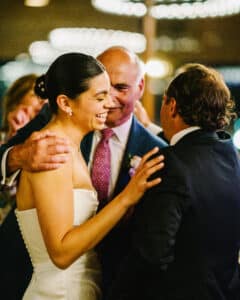 We see this often – parent dances pushed to 8:00, 8:30, sometimes later. By that point, the dancing energy has already built and this becomes a momentum-killer. Keep parent dances early, ideally right after the first dance.
Not Enough Dancing Time
Couples consistently underestimate how much they’ll want to dance. If your band plays from 7:00 to 10:00, you have roughly 90-120 minutes of actual dancing after you account for dinner, toasts, and formalities. Plan accordingly.
Cake Cutting Interrupts a Hot Dance Floor
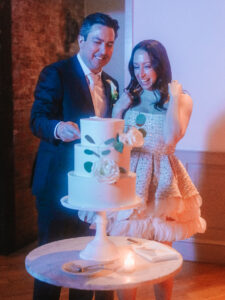 Timing matters here. The best time to cut the cake is at a natural energy pause – not in the middle of a great set. Coordinate with your band on this. We know when the moment is right.
How to Build Your Timeline
Start with your non-negotiables. Venue start and end times, meal service windows, and any specific moments you want (sparkler send-off, surprise song, etc.) are your anchor points. Build everything else around them.
Work backwards from your end time. If your venue ends at 10:00 PM, your last song should be at 9:50. Your final dancing hour should start at 9:00. Your cake cutting at 8:45. And so on.
Build in buffer. Something will run long. Cocktail hour, dinner service, a toast – something always takes more time than planned. Build 15-20 minutes of flex into your timeline and you won’t notice when it gets used up.
Share it with everyone. Your band, your caterer, your photographer, your coordinator – everyone should have the same timeline. When vendors are aligned, transitions are seamless.
How Your Band Fits Into the Timeline
 A great wedding band isn’t just responding to your timeline – they’re actively shaping the energy of each moment. Here’s what that looks like in practice:
- During cocktail hour, we’re setting the mood before guests even realize the night has started.
- During dinner, we’re playing at a volume and energy level that supports conversation without disappearing into the background.
- At the transition to open dancing, we’re reading the room and choosing the right opening song to pull people onto the floor.
- During the final hour, we’re building energy deliberately toward a climax – not just playing songs.
The best receptions feel effortless. They rarely are. They’re the result of a tight timeline, aligned vendors, and a band that knows exactly what it’s doing.
Frequently Asked Questions
How long should a wedding reception be?
Four to five hours is the sweet spot for most receptions. Long enough to have a full dinner, dancing, and all the formal moments – short enough that guests leave wanting more rather than looking for the exit.
Should we hire a day-of coordinator just for the timeline?
If your venue doesn’t include a coordinator, yes. A day-of coordinator is one of the highest-value investments you can make. They handle the timeline so you don’t have to think about it.
What’s the best way to communicate the timeline to our band?
Send it in writing at least two weeks before the wedding, and confirm it again at your pre-wedding call. Flag any moments that are flexible so the band knows where they have room to read the room.
Can we add more dancing time by shortening dinner?
Yes – but coordinate with your caterer. A buffet or family-style meal typically shortens dinner significantly compared to plated service. It’s one of the most effective ways to add dancing time to your timeline.